

That stiff shoulder after a long workday. The knee that complains after a weekend hike.
The lower back that seems perfectly fine, until suddenly it isn’t. Most of us are good at ignoring small aches.
We stretch for 30 seconds and promise ourselves to take it easy tomorrow, and keep moving. But the much better approach is to make recovery part of your routine before pain and discomfort start dictating it.
For active metro-Denver residents, that doesn’t necessarily mean doing less. It means giving your body enough time and support to keep doing the things you enjoy.
Your Body Needs Recovery, Not Just Activity
Exercise, recreation, and everyday movement place stress on muscles, joints, and connective tissues. That’s normal.
Recovery is when your body gets an opportunity to adapt to that stress. Rest is an important part of muscle recovery, so building recovery strategies, including hydration, nutrition, appropriate movement, and sleep, into a routine is critical to staying active.
Allowing adequate recovery between higher-intensity workouts involving the same muscle groups is also very important. That matters whether you’re training for your next race, skiing every available weekend, tackling Colorado trails, or simply spending eight hours a day sitting at a desk.
Recovery isn’t reserved for athletes. It’s maintenance for people who move.
Small Signals Are Worth Paying Attention To
There’s a difference between temporary muscle soreness and persistent pain. Some soreness after an unfamiliar or challenging activity is to be expected.
Trying to push through pain and not giving your body time to recover isn’t a badge of honor. Common causes of exercise injuries include repetitive movements, inadequate rest between workouts, and too rapid an increase in activity.
We must listen to our body rather than relying on the old “no pain, no gain” mentality. Even overuse injuries such as bone stress injuries develop when repetitive activity exceeds the body’s ability to recover.
Allowing time for recovery, gradually increasing activity, and incorporating lower-impact cross-training rather than repeatedly stressing the same areas are great ideas to avoid these injuries. In other words, recovery isn’t what you do when you’ve failed to keep going. It’s part of what helps you keep going.
Be Consistent and Avoid Rescue Missions
We should think about recovery the same way we think about brushing our teeth. You wouldn’t ignore your teeth for six months and then schedule one marathon brushing session.
Consistently doing the little things is what matters to a healthy recovery routine. A practical recovery routine might include:
- Regular sleep and rest days
- Staying hydrated
- Gentle movement and stretching
- Alternating demanding workouts with lighter activities
- Massage or other hands-on recovery work
- Heat and relaxation
- Paying attention when an ache keeps returning
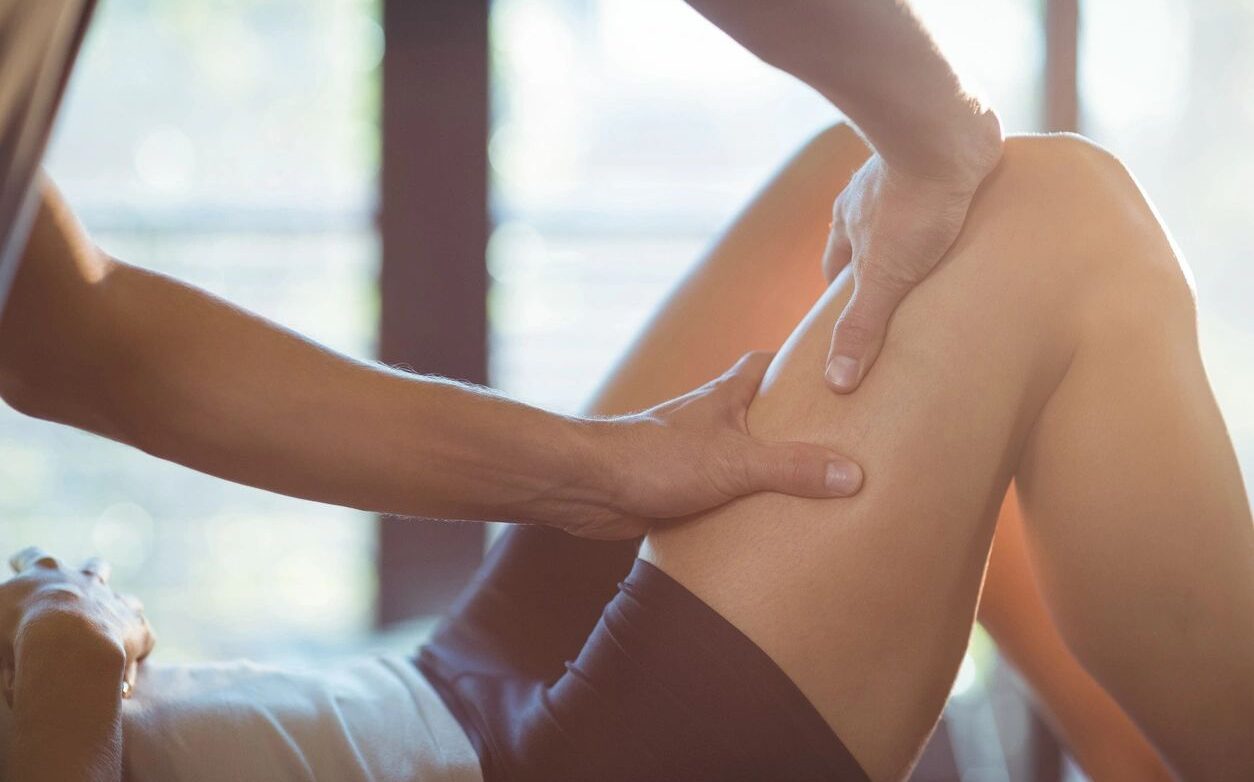
Massage, in particular, has evidence behind its role in post-exercise recovery. A systematic review and meta-analysis found that massage following strenuous exercise was associated with reductions in delayed-onset muscle soreness at 24, 48 and 72 hours.
The goal isn’t to chase every new recovery trend. It’s about finding a realistic combination of habits you actually maintain.
Recovery Also Means Knowing When Something Needs More Attention
Self-care has limits, so we shouldn’t try to cover up persistent pain. Contact a healthcare provider when muscle pain lasts more than three days, is severe or unexplained, or doesn’t improve with self-care.
Significant injuries or weakness and other unusual symptoms like chest pain during exercise need immediate medical attention. Recovery services aren’t a substitute for appropriate medical evaluation when something feels genuinely wrong.
A Little Maintenance Goes a Long Way
You don’t need to overhaul your life to improve your recovery. Start with the basics.
Sleep, hydrate, move, rest, and give heavily worked areas time to recover. Schedule recovery intentionally, rather than waiting until discomfort decides for you.
Most importantly, pay attention to what your body keeps telling you because the best recovery routine isn’t necessarily the fanciest one. It’s the one you actually make time for.
Build Recovery Into Your Denver Lifestyle
Denver makes it incredibly easy to stay active. Hiking, cycling, running, skiing, climbing, recreational sports, and packed schedules are all available in a normal week.
Your recovery routine should fit that lifestyle, not compete with it. At Recovery Lounge & Spa, the focus is on providing a dedicated place for people to slow down and support recovery.
You access massage therapy, infrared sauna, PEMF therapy, CranioSacral Therapy, and other recovery-focused options as individual recovery sessions or combine them to suit your goals. CranioSacral focuses on relieving tension and increasing blood circulation to “kick-start” the body’s own recovery systems to move into action to repair issues.
The important word here is routine. You don’t have to wait until your back is screaming, your legs feel wrecked, or that nagging shoulder finally forces you to change your plans. With so many therapies and custom packages, Recovery Lounge & Spa makes it easy to build a recovery routine that fits your everyday life or your next adventure.
Not sure where to start? Book a free consultation, or contact us at info@RecoveryLoungeandSpa.com or 303‑242‑6938 to join our self-care wellness program and begin building the independence in recovery and wellness you deserve.